Your best source of information worldwide.
Subscribe to our content and keep up to date with the latest news!


What Veterans Should Know About New VA Healthcare and Housing Assistance Options in 2026
Veterans across the United States have access to a wide range of healthcare, housing, financial, and supportive services through the U.S. Department of Veterans Affairs.

Beyond the Headlines: Unearthing Hidden Investment Benefits and Overlooked Financial News
The most significant investment opportunities aren't found in breaking news headlines, but in the overlooked details. This guide uncovers how to find and interpret hidden signals from niche news, corporate benefits, and obscure data to gain a genuine market edge.
How New Federal Infrastructure Projects Are Reshaping Transportation and Local Economies in the U.S.
Through programs administered by the U.S. Department of Transportation and other federal agencies, infrastructure funding is being directed toward roads, bridges, transit, rail, airports, ports, and other transportation priorities.
How Rising Grocery Prices Are Changing Household Budgets Across Different U.S. States
Understanding how grocery prices affect household budgets across the country can help consumers make more informed financial decisions throughout 2026.
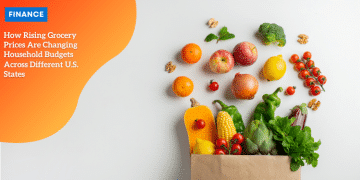
How Rising Grocery Prices Are Changing Household Budgets Across Different U.S. States
Understanding how grocery prices affect household budgets across the country can help consumers make more informed financial decisions throughout 2026.

What Americans Should Know About New Childcare Assistance Options and Eligibility Changes in 2026
Understanding how these programs work can help families determine which options may be available to them in 2026.

How New U.S. Rules for Artificial Intelligence Could Affect Consumers and Technology Companies
Standardized information could eventually make those comparisons easier.
What Disaster Assistance Programs May Help Americans Recover After Severe Weather Events in 2026
Severe weather events can leave American families facing damaged homes, lost vehicles, temporary displacement, interrupted employment, destroyed personal belongings, and unexpected financial expenses. In some cases, the effects can continue for months after the storm, wildfire, flood, tornado, hurricane, or other disaster has passed.
How Rising Energy Costs Could Affect Transportation, Food Prices, and Small Businesses Across the U.S.
Energy prices remain one of the most important factors influencing the cost of living and doing business in the United States. When gasoline, diesel, electricity, natural gas, or other energy costs rise, the impact can extend far beyond a higher utility bill or a more expensive trip to the gas station.