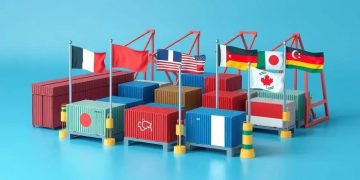
How Global Supply Chain Changes Are Affecting Prices, Jobs, and U.S. Manufacturing
Anúncios
Understanding How Supply Chain Shifts, Trade Policies, Domestic Manufacturing, and Global Logistics Are Reshaping the American Economy in 2026
Global supply chains have undergone significant changes over the past several years, influencing how products are manufactured, transported, and delivered to consumers. Rising transportation costs, geopolitical tensions, new trade policies, labor shortages, and advances in automation have encouraged many companies to rethink where and how they produce goods.
For American consumers, these supply chain adjustments can affect the prices of everyday products, product availability, and delivery times. For businesses, changing supply chains influence production costs, inventory management, investment decisions, and long-term growth strategies. Meanwhile, U.S. manufacturers may see new opportunities as companies diversify production and expand domestic operations.
Although global supply chains are becoming more resilient, they continue evolving in response to economic conditions, technological innovation, and international trade developments. Understanding these trends can help consumers, workers, and investors better prepare for future economic changes.
Anúncios
In this comprehensive guide, readers will learn:
- Why global supply chains are changing
- How supply chain shifts influence consumer prices
- What these changes mean for American manufacturing
- How trade policies affect businesses and consumers
- Which industries may benefit from domestic production
- How automation is reshaping manufacturing jobs
- Challenges businesses continue to face
- Key economic trends to watch throughout 2026
Why Global Supply Chains Are Changing
Modern supply chains connect manufacturers, suppliers, transportation companies, retailers, and consumers across multiple countries.
Companies have traditionally sourced materials and manufactured products wherever costs were lowest. However, recent disruptions have encouraged businesses to diversify their operations.
Anúncios
Factors Driving Supply Chain Changes Include
- Trade policy adjustments
- Transportation costs
- Labor shortages
- Geopolitical uncertainty
- Natural disasters
- Technological innovation
- Rising production costs
These factors have prompted many companies to reevaluate their supply chain strategies.
Businesses Are Focusing on Greater Resilience
Instead of relying heavily on a single supplier or region, many organizations are expanding their supplier networks to reduce operational risk.

Consumer Prices Can Be Influenced by Supply Chain Costs
The cost of producing and transporting goods often affects retail prices.
When businesses experience higher shipping, labor, or material costs, some of those expenses may eventually be reflected in the prices consumers pay.
Products Potentially Affected Include
- Electronics
- Household appliances
- Clothing
- Furniture
- Building materials
- Automobiles
- Consumer goods
The extent of any price changes depends on market competition, demand, and overall economic conditions.
Transportation Costs Remain an Important Factor
Moving products around the world requires complex transportation networks.
Supply Chains Depend On
- Cargo ships
- Rail transportation
- Trucking
- Air freight
- Warehousing
- Distribution centers
Changes in fuel prices, shipping capacity, or transportation demand can influence logistics costs throughout the economy.
Businesses Continue Improving Logistics
Many companies are investing in technology to improve inventory management, optimize shipping routes, and reduce transportation expenses.
U.S. Manufacturing Is Receiving Increased Attention
Some businesses are expanding manufacturing operations within the United States or closer to major consumer markets.
This strategy is sometimes intended to reduce shipping risks, improve supply chain flexibility, and shorten delivery times.
Domestic Manufacturing May Support
- Faster production
- Shorter delivery times
- Improved inventory management
- Greater supply chain reliability
- Local economic development
However, production costs may differ depending on wages, regulations, energy prices, and available infrastructure.
Manufacturing Employment Is Evolving
Manufacturing remains an important part of the American economy, but the types of jobs available continue to change.
Growing Areas May Include
- Advanced manufacturing
- Robotics
- Semiconductor production
- Clean energy equipment
- Aerospace
- Medical technology
Many modern manufacturing facilities increasingly require workers with technical and digital skills.
Workforce Development Is Becoming More Important
Employers are placing greater emphasis on training programs, apprenticeships, and technical education to prepare workers for advanced manufacturing careers.
Automation Is Transforming Production
Technology is playing a larger role in manufacturing facilities.
Automation May Improve
- Production efficiency
- Product quality
- Workplace safety
- Inventory management
- Operational consistency
Robotics and artificial intelligence are increasingly being used alongside human workers rather than completely replacing them in many manufacturing environments.
Trade Policies Can Influence Business Decisions
Trade policies continue affecting how companies source materials and manufacture products.
Businesses May Evaluate
- Import costs
- Export opportunities
- Tariff policies
- Supply chain diversification
- International partnerships
Changes in trade policy may encourage businesses to adjust sourcing strategies depending on economic conditions.
Small Businesses Also Feel Supply Chain Effects
Large corporations are not the only organizations affected by supply chain changes.
Small Businesses May Experience
- Higher inventory costs
- Longer delivery times
- Supplier shortages
- Increased transportation expenses
- Pricing challenges
Many small businesses are responding by working with multiple suppliers and improving inventory planning.
Technology Is Making Supply Chains Smarter
Digital technology is helping companies monitor supply chains more effectively.
Businesses Are Increasingly Using
- Artificial intelligence
- Data analytics
- Cloud computing
- Inventory management software
- Predictive forecasting
- Real-time shipment tracking
These technologies can improve operational efficiency and help companies respond more quickly to unexpected disruptions.
Semiconductor Manufacturing Continues to Expand
Computer chips are essential components in countless products.
Semiconductors Support
- Smartphones
- Vehicles
- Medical devices
- Artificial intelligence
- Consumer electronics
- Industrial equipment
Expanding semiconductor production has become an important objective for many governments and technology companies seeking stronger supply chain resilience.
Energy Costs Continue Affecting Manufacturing
Manufacturing operations depend heavily on reliable and affordable energy.
Energy Costs Can Influence
- Factory operating expenses
- Transportation costs
- Production decisions
- Facility locations
- Long-term investment planning
Businesses often consider energy availability alongside labor and infrastructure when selecting manufacturing locations.
Consumers May Notice More Products Made Closer to Home
Some manufacturers are producing goods closer to their primary markets.
This strategy can potentially reduce shipping times and improve supply chain flexibility.
Potential Benefits May Include
- Faster product availability
- Lower transportation risks
- Improved inventory management
- More reliable product delivery
However, production closer to home does not always guarantee lower consumer prices.
Investment in Manufacturing Is Supporting Innovation
Manufacturers continue investing in new technologies to remain competitive.
Investment Areas Include
- Factory automation
- Artificial intelligence
- Robotics
- Digital manufacturing
- Energy efficiency
- Advanced materials
These investments may improve productivity while supporting long-term competitiveness.
Risks Still Facing Global Supply Chains
Although supply chains have become more resilient, challenges remain.
Ongoing Risks Include
- Geopolitical tensions
- Transportation disruptions
- Labor shortages
- Cybersecurity threats
- Natural disasters
- Inflationary pressures
- Regulatory changes
Businesses continue developing contingency plans to reduce the impact of future disruptions.
Consumers Can Adapt to Changing Market Conditions
While individuals cannot control global supply chains, they can make informed purchasing decisions.
Practical Strategies Include
- Comparing prices before buying
- Shopping during promotional periods
- Planning major purchases in advance
- Considering product alternatives
- Building emergency household supplies when appropriate
These habits may help households better manage fluctuating prices and product availability.
What Americans Should Watch in 2026
Global supply chains will likely remain an important economic topic throughout the year.
Key Trends to Monitor Include
- Manufacturing investment
- Trade policy developments
- Transportation costs
- Inflation trends
- Semiconductor production
- Automation
- Supply chain technology
- Domestic manufacturing expansion
These factors may continue shaping prices, employment, and economic growth.
Businesses Are Likely to Continue Diversifying
Many companies are expected to keep expanding supplier networks, investing in technology, and improving supply chain resilience to reduce future disruptions.
A Practical Checklist for Consumers, Workers, and Investors
Understanding supply chain trends can help individuals make more informed financial and career decisions.
A Practical Checklist Includes
- Monitor inflation and consumer price trends.
- Stay informed about major trade policy developments.
- Watch manufacturing employment opportunities.
- Develop technical skills relevant to advanced manufacturing.
- Compare prices before major purchases.
- Follow industries benefiting from domestic production.
- Understand how transportation costs affect product prices.
- Diversify investments across multiple sectors.
- Monitor technological developments in manufacturing.
- Review long-term economic trends rather than reacting to short-term disruptions.
Taking these steps can help households and investors better understand how global supply chain changes influence the broader economy.
Final Thoughts on Global Supply Chains, Prices, and U.S. Manufacturing
Global supply chains continue evolving as businesses adapt to changing economic conditions, technological innovation, and shifting trade relationships. These developments are influencing everything from consumer prices and product availability to manufacturing investment and employment opportunities across the United States.
As companies diversify suppliers, invest in automation, strengthen logistics networks, and expand domestic production, American manufacturing may continue playing an increasingly important role in supporting economic resilience. At the same time, consumers should recognize that product prices remain influenced by a combination of labor costs, transportation expenses, energy markets, and global demand.
For businesses, workers, and investors alike, understanding supply chain dynamics can provide valuable insight into broader economic trends. By staying informed about manufacturing developments, trade policies, technology investments, and transportation costs, Americans can make more informed financial, career, and investment decisions throughout 2026 and beyond.

Emilly Correa has a degree in journalism and a postgraduate degree in Digital Marketing, specializing in Content Production for Social Media. With experience in copywriting and blog management, she combines her passion for writing with digital engagement strategies. She has worked in communications agencies and now dedicates herself to producing informative articles and trend analyses.