New FDA Food Safety Rules Could Change Grocery Labels and Consumer Choices
Anúncios
Understanding How Updated Food Safety Standards, Nutrition Labeling Requirements, Ingredient Transparency, and Consumer Protection Policies Could Influence Grocery Shopping in 2026
Food labels play an important role in helping consumers understand what they are buying and eating. In 2026, ongoing updates to food safety standards, nutrition labeling initiatives, and ingredient transparency efforts continue shaping how food manufacturers present information on grocery packaging. These developments aim to improve consumer awareness while supporting informed purchasing decisions.
The U.S. food supply is regulated through a combination of federal oversight, scientific research, and industry compliance. As nutrition science evolves and consumer expectations change, food labeling requirements may also be updated to improve clarity, promote transparency, and strengthen confidence in packaged food products.
For shoppers, understanding nutrition facts, ingredient lists, allergen disclosures, serving sizes, and health-related claims can make it easier to compare products and choose foods that align with personal dietary needs and health goals. While labeling changes may vary depending on regulatory decisions and implementation timelines, staying informed helps consumers navigate the grocery store with greater confidence.
Anúncios
In this comprehensive guide, readers will learn:
- Why food labeling standards continue evolving
- How updated labels may improve transparency
- The importance of nutrition facts and ingredient lists
- How allergen information supports food safety
- What consumers should know about health claims
- How food manufacturers adapt to changing regulations
- Practical grocery shopping strategies
- Food safety and nutrition trends to watch throughout 2026
Why Food Safety Standards Continue Evolving
Food safety regulations are regularly reviewed to reflect scientific research, technological advances, and changing consumer needs.
Anúncios
Updated standards help maintain confidence in the food supply while encouraging clear and accurate product information.
Food Safety Oversight Supports
- Consumer protection
- Accurate labeling
- Food quality
- Ingredient transparency
- Allergen awareness
- Product traceability
These efforts help consumers make more informed purchasing decisions.
Transparency Remains a Growing Priority
Many consumers increasingly seek detailed information about ingredients, nutrition, and food production practices before making purchases.
Grocery Labels Help Consumers Compare Products
Food labels provide valuable information that allows shoppers to evaluate products more effectively.
Labels Commonly Include
- Nutrition Facts
- Ingredient lists
- Serving sizes
- Allergen statements
- Storage instructions
- Manufacturer information
Reading labels carefully can help consumers better understand the foods they purchase.
Nutrition Facts Panels Continue Supporting Healthy Choices
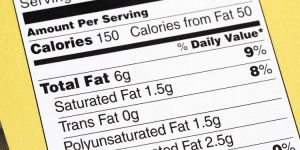
Nutrition labels summarize important nutritional information for packaged foods.
Consumers Can Review
- Calories
- Total fat
- Saturated fat
- Sodium
- Carbohydrates
- Dietary fiber
- Added sugars
- Protein
- Selected vitamins and minerals
Comparing nutrition panels across similar products may support healthier purchasing decisions.
Ingredient Transparency Is Becoming More Important
Many shoppers want greater visibility into the ingredients used in packaged foods.
Ingredient Lists Help Consumers Identify
- Primary ingredients
- Sweeteners
- Preservatives
- Flavorings
- Food colorings
- Oils and fats
Understanding ingredient lists may help consumers choose products that match their dietary preferences or restrictions.
Food Allergy Information Remains Essential
Millions of Americans live with food allergies or sensitivities.
Clear allergen labeling helps consumers identify products that may contain ingredients requiring special attention.
Common Allergens May Include
- Milk
- Eggs
- Peanuts
- Tree nuts
- Wheat
- Soy
- Fish
- Shellfish
- Sesame
Consumers with allergies should always review labels carefully, even when purchasing familiar products.
Health Claims Should Be Read Carefully
Some packaged foods include statements about nutrition or health benefits.
Examples May Include
- High in fiber
- Good source of protein
- Low sodium
- Reduced sugar
- Whole grain
Consumers should consider these claims alongside the complete Nutrition Facts panel and ingredient list for a more complete understanding of the product.
Serving Sizes Matter
Nutrition information is generally presented according to a specific serving size.
Reviewing Serving Sizes Can Help Consumers
- Estimate calorie intake
- Compare products accurately
- Manage portion sizes
- Understand nutrient consumption
A package may contain more than one serving, making it important to review the total contents before making dietary decisions.
Technology Is Improving Food Traceability
Food manufacturers increasingly use digital tools to strengthen quality control throughout the supply chain.
Modern Food Safety Technology May Include
- Digital inventory systems
- Product tracking
- Supply chain monitoring
- Automated quality inspections
- Data analytics
These innovations can improve efficiency while supporting food safety efforts.
Consumer Demand Is Influencing Product Development
Food companies continue responding to changing consumer preferences.
Growing Areas of Interest Include
- Lower added sugar products
- Higher protein options
- Plant-based foods
- Reduced sodium products
- Simpler ingredient lists
- Sustainable packaging
Manufacturers often adapt products to meet evolving market demand.
Food Safety Begins at Home
Safe food handling remains important even after groceries leave the store.
Helpful Food Safety Habits Include
- Refrigerating perishable foods promptly
- Washing fresh produce
- Following cooking temperature recommendations
- Avoiding cross-contamination
- Checking expiration or “best by” dates
Proper food storage helps reduce food waste while supporting household food safety.
Budget-Friendly Shopping Still Matters
Nutrition and affordability can often be balanced through careful planning.
Smart Grocery Strategies Include
- Comparing unit prices
- Planning meals before shopping
- Reading labels
- Buying seasonal produce
- Choosing store brands when appropriate
- Limiting unnecessary impulse purchases
These habits may help families manage grocery budgets more effectively.
Common Mistakes Consumers Should Avoid
Careful label reading can reduce confusion during grocery shopping.
Common Mistakes Include
- Ignoring serving sizes
- Focusing only on front-package marketing
- Overlooking ingredient lists
- Forgetting allergen statements
- Comparing products without reviewing nutrition facts
- Assuming similar products have identical ingredients
- Ignoring food storage instructions
Taking a few extra moments to review labels can support better purchasing decisions.
What Shoppers Should Watch in 2026
Food labeling and safety initiatives continue evolving alongside nutrition research and consumer expectations.
Important Trends Include
- Nutrition labeling updates
- Ingredient transparency
- Food traceability technology
- Digital supply chain management
- Consumer education initiatives
- Sustainable food packaging
- Product reformulation
- Food safety innovation
These developments may continue influencing grocery shopping and product availability.
Consumers Continue Seeking More Information
As shoppers become increasingly interested in nutrition and ingredient quality, manufacturers are expected to provide clearer product information and invest in greater transparency.
A Practical Grocery Shopping Checklist
Preparing before visiting the grocery store can help consumers make more informed choices.
A Practical Checklist Includes
- Plan meals before shopping.
- Read Nutrition Facts labels carefully.
- Compare ingredient lists between similar products.
- Review serving sizes before purchasing.
- Check allergen information when necessary.
- Compare unit prices to identify better values.
- Choose products that support your dietary goals.
- Store perishable foods properly after purchase.
- Monitor expiration or “best by” dates.
- Stay informed about food safety updates and consumer guidance.
Following these steps can help shoppers make confident purchasing decisions while supporting healthy eating habits and responsible budgeting.
Final Thoughts on Food Safety Rules and Grocery Labels
Food safety standards and labeling requirements continue evolving to improve transparency, strengthen consumer confidence, and provide clearer information about packaged foods. Nutrition Facts panels, ingredient lists, allergen disclosures, and other labeling elements help shoppers better understand what they are purchasing and compare products based on their personal health goals and dietary needs.
As food manufacturers respond to changing regulations, scientific research, and consumer preferences, grocery labels are expected to become increasingly informative and easier to interpret. At the same time, technological advancements in food traceability and quality control continue supporting a safer and more transparent food supply.
By reading labels carefully, comparing products thoughtfully, and staying informed about food safety developments, consumers can make more confident grocery shopping decisions that support both their nutritional goals and household budgets throughout 2026 and beyond.

Emilly Correa has a degree in journalism and a postgraduate degree in Digital Marketing, specializing in Content Production for Social Media. With experience in copywriting and blog management, she combines her passion for writing with digital engagement strategies. She has worked in communications agencies and now dedicates herself to producing informative articles and trend analyses.