How to Build a Financial Safety Net With Emergency Funds and Multiple Income Sources
Anúncios
Smart Strategies for Building Emergency Savings, Diversifying Income, and Strengthening Household Financial Security in 2026
Building a strong financial safety net has become an increasingly important priority for American households in 2026. Rising living costs, unexpected expenses, economic uncertainty, and changing employment conditions have encouraged more people to rethink how they manage their money and prepare for financial emergencies. Instead of relying solely on a single paycheck, many individuals are focusing on building emergency savings while developing multiple sources of income.
Meanwhile, an emergency fund can provide valuable financial protection when unexpected expenses arise. Medical bills, vehicle repairs, home maintenance, temporary unemployment, and other unforeseen costs can quickly disrupt a household budget. Having money set aside for emergencies may reduce the need to rely on credit cards or high-interest loans during difficult periods.
At the same time, additional income sources can provide greater financial flexibility. Side businesses, freelance work, part-time employment, investments, and digital income opportunities are among the strategies some Americans use to diversify their earnings. Although creating multiple income streams requires time and planning, additional income may help households increase savings, reduce debt, and prepare for future financial goals.
Anúncios
Because financial stability depends on both preparation and flexibility, combining emergency savings with diversified income sources can help individuals and families build a stronger financial foundation.
In this comprehensive guide, readers will learn:
- Why emergency funds are important
- How much money to save for unexpected expenses
- Ways to build multiple income sources
- How to prioritize savings and debt repayment
- Strategies for managing irregular income
- Common financial planning mistakes to avoid
- Personal finance trends expected beyond 2026
Anúncios
Why Every Household Needs a Financial Safety Net
Unexpected expenses can occur at any time, regardless of how carefully a household plans its monthly budget.
A financial safety net can help individuals manage emergencies without significantly disrupting their long-term financial goals.
Unexpected Expenses May Include
Many households may eventually face:
- Medical bills
- Car repairs
- Home maintenance
- Temporary job loss
- Emergency travel
- Unexpected family expenses
Without savings, these situations may lead to additional debt.
Financial Preparation Supports Stability
Having accessible savings can provide greater flexibility when unexpected financial challenges arise.
Building an Emergency Fund
An emergency fund is money reserved specifically for unexpected expenses.
Many Financial Experts Recommend Starting With
A practical initial goal may be to save enough to cover smaller emergencies before gradually building a larger reserve.
Depending on individual circumstances, households may eventually aim for several months of essential living expenses.
Emergency Savings Can Help Cover
- Housing payments
- Utilities
- Groceries
- Transportation
- Insurance
- Essential healthcare expenses
The appropriate amount varies depending on income stability, household size, employment situation, and monthly expenses.
Start Saving With Small, Consistent Contributions
Building a large emergency fund can feel difficult when household budgets are already under pressure.
Many Consumers Begin By
- Setting aside a fixed amount each month
- Automating transfers
- Saving part of unexpected income
- Redirecting unused subscriptions
- Reducing unnecessary spending
Small contributions can gradually create meaningful financial reserves.
Automation Can Improve Consistency
Automatic transfers can make saving easier by moving money into a dedicated account before it is spent.
Keep Emergency Savings Accessible
Emergency funds should generally remain easy to access when needed.
Many Savers Consider
- High-yield savings accounts
- FDIC-insured savings accounts
- Separate savings accounts
- Other relatively liquid options
The goal is to balance accessibility with the opportunity to earn some interest.
Avoid Treating Emergency Funds as Spending Money
Keeping emergency savings separate from everyday accounts can reduce the temptation to use the money for nonessential purchases.
Creating Multiple Sources of Income
Diversifying income can strengthen a household’s financial safety net.
Additional Income Sources May Include
- Freelance work
- Part-time employment
- Consulting
- Online businesses
- Selling products
- Rental income
- Investment income
The best options depend on individual skills, available time, financial resources, and risk tolerance.
Multiple Income Sources Can Increase Flexibility
Additional earnings may be directed toward emergency savings, debt repayment, retirement accounts, or other financial goals.
Side Hustles Continue Growing in Popularity
Many Americans are exploring flexible ways to generate additional income.
Popular Side Income Opportunities Include
- Freelancing
- Tutoring
- Digital services
- Creative work
- Online sales
- Local services
- Contract work
These opportunities can provide additional income without requiring a complete career change.
Consistency Matters More Than Speed
Even a modest additional income stream can contribute meaningfully to financial goals when maintained over time.
Investing Can Create Additional Income Opportunities
Long-term investments may provide another potential source of financial growth.
Investors May Consider
Depending on their financial goals and risk tolerance:
- Dividend-paying stocks
- ETFs
- Bonds
- Real estate investment trusts
- Retirement accounts
Investment income can complement employment earnings, although investments always involve risk and potential losses.
Diversification Remains Important
Spreading investments across different asset classes can help manage concentration risk.
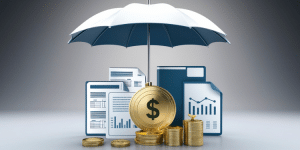
Protecting Income With Insurance
A financial safety net involves more than savings and additional income.
Many Households Review
- Health insurance
- Disability insurance
- Life insurance
- Homeowners insurance
- Renters insurance
- Auto insurance
Adequate insurance can help protect savings from major unexpected financial losses.
Financial Protection Supports Long-Term Planning
Insurance and emergency savings can work together to improve household resilience.
Managing Debt While Building Savings
Households often need to balance emergency savings with debt repayment.
Many Consumers Prioritize
- High-interest credit card debt
- Personal loans
- Auto loans
- Student debt
High-interest debt can make it harder to build wealth over time.
A Balanced Approach Can Be Effective
Some households choose to establish a small emergency reserve first while aggressively paying down expensive debt, then increase emergency savings after high-interest balances are reduced.
Budgeting Supports Financial Resilience
A realistic budget is essential for building a financial safety net.
Many Households Track
- Monthly income
- Essential expenses
- Debt payments
- Savings contributions
- Investment contributions
- Discretionary spending
Understanding cash flow makes it easier to identify opportunities for saving.
Regular Reviews Improve Financial Planning
Household budgets should be adjusted as income, expenses, and financial priorities change.
Managing Multiple Income Streams Requires Organization
Additional income can create new financial responsibilities.
Individuals With Multiple Income Sources May Need To Track
- Income fluctuations
- Business expenses
- Taxes
- Retirement contributions
- Insurance needs
- Savings goals
Keeping accurate records can simplify financial management.
Irregular Income Requires Extra Planning
People with freelance or variable earnings may benefit from maintaining larger cash reserves to account for months with lower income.
Common Financial Safety Net Mistakes to Avoid
Building financial security requires consistency and realistic planning.
Common Mistakes Include
- Saving too little for emergencies
- Investing emergency funds in highly volatile assets
- Relying entirely on credit cards
- Taking on excessive side-work commitments
- Ignoring insurance needs
- Failing to account for taxes on additional income
- Increasing lifestyle expenses as income rises
Avoiding these habits can strengthen long-term financial resilience.
Financial Security Requires Balance
The goal is not simply to earn more money but to create a sustainable financial system.
Building a Long-Term Financial Safety Net
A strong financial foundation develops gradually.
Many Americans Continue Prioritizing
- Emergency savings
- Debt reduction
- Retirement planning
- Income diversification
- Insurance protection
- Long-term investments
Combining these strategies can provide greater financial flexibility.
Financial Independence Requires Planning
Building wealth generally involves consistent saving, responsible spending, and long-term investment decisions.
What Experts Expect Beyond 2026
Financial resilience is expected to remain an important priority as households navigate changing economic conditions.
Areas Receiving Continued Attention
Financial professionals continue monitoring:
- Emergency savings levels
- Household debt
- Side-hustle growth
- Remote work opportunities
- Investment income
- Financial technology
- Retirement preparedness
As employment patterns and household expenses continue evolving, more Americans may focus on developing flexible financial strategies that can adapt to changing circumstances.
Income Diversification May Continue Growing
The combination of traditional employment, freelance work, digital businesses, and investment income may become increasingly common among households seeking greater financial flexibility.
Final Thoughts on Building a Financial Safety Net
Building a financial safety net requires more than simply saving money. Emergency funds can help households handle unexpected expenses, while multiple income sources may provide additional flexibility during periods of economic uncertainty or employment changes.
By creating an emergency fund, managing debt responsibly, developing additional income opportunities, protecting earnings with appropriate insurance, and maintaining a realistic budget, Americans can gradually strengthen their financial position.
Meanwhile, technology and flexible work opportunities continue making it easier for individuals to explore new ways of earning and managing money.
Ultimately, households that combine accessible emergency savings with diversified income sources and disciplined financial planning may be better positioned to handle unexpected challenges, reduce reliance on high-interest debt, and pursue long-term financial goals with greater confidence and stability.

Emilly Correa has a degree in journalism and a postgraduate degree in Digital Marketing, specializing in Content Production for Social Media. With experience in copywriting and blog management, she combines her passion for writing with digital engagement strategies. She has worked in communications agencies and now dedicates herself to producing informative articles and trend analyses.