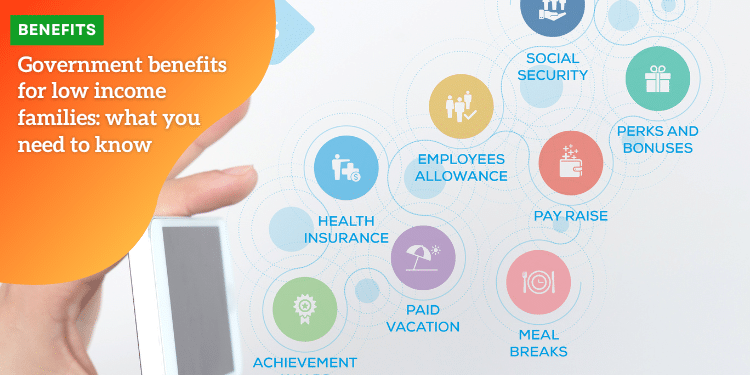
Government benefits for low income families: what you need to know
Anúncios
Government benefits for low income families include financial aid, food assistance programs like SNAP, healthcare coverage, and housing support, all aimed at improving the quality of life during challenging financial times.
Government benefits for low income families can provide crucial support during tough times. Have you ever wondered how these programs work and what you might qualify for? Let’s dive into this topic together!
Anúncios
Understanding government assistance programs
Understanding government assistance programs can be critical for low-income families. These programs are designed to provide support, ensuring that basic needs are met. Knowing how to navigate these resources can make a big difference in your daily life.
What Are Government Assistance Programs?
Government assistance programs are various services provided by federal, state, and local governments. They aim to help individuals and families achieve a better quality of life during difficult times. The eligibility criteria and types of assistance can vary based on your location.
Types of Assistance Available
Families may qualify for different types of aid depending on their needs. Common forms of assistance include:
Anúncios
- Cash benefits for immediate expenses.
- Food assistance programs like SNAP, which helps families buy groceries.
- Housing support for low-income renters or homeowners.
- Healthcare coverage through Medicaid or CHIP.
These programs help ease financial burdens and provide a safety net. It’s important to explore what’s available in your state.
Eligibility often depends on income level, family size, and other factors. Many families are unaware of the assistance they could qualify for. To find out more, check state websites or local community centers for detailed information on available programs.
How to Access These Programs
Accessing government assistance can feel overwhelming, but it doesn’t have to be. Start by gathering necessary information, such as income statements and household details. Then, visit official websites or reach out to local agencies that can guide you through the application process.
Assistance programs also provide resources to help you understand your options. By being informed, you can make better choices about what assistance works best for your situation.
Types of benefits available for low income families
There are various types of benefits available for low income families, each designed to address specific needs and challenges. Understanding these benefits can greatly improve a family’s quality of life during difficult times.
Financial Assistance Programs
One major type of support is financial assistance. Programs like Temporary Assistance for Needy Families (TANF) provide cash to help families pay for essential needs such as housing and food. These cash benefits can help cover urgent costs and offer a buffer during challenging periods.
Food Assistance Programs
Food assistance programs are vital for low income families. The Supplemental Nutrition Assistance Program (SNAP) is designed to ensure that families can afford nutritious food. Participants receive an EBT card, which they can use to buy groceries, alleviating food insecurity.
- Snap benefits help purchase healthy food.
- WIC (Women, Infants, and Children) provides supplemental nutrition for pregnant women and young children.
- Local food banks often offer additional assistance.
These programs help families maintain a balanced diet, promoting better health.
Healthcare Benefits
Access to healthcare is another essential benefit. Medicaid and the Children’s Health Insurance Program (CHIP) provide medical coverage to eligible low income families. These programs help cover necessary medical expenses, from routine check-ups to emergency care.
Having health coverage reduces financial strain and allows families to seek out preventive care.
Housing Assistance Programs
Housing assistance is crucial for families struggling to afford rent. Programs like Section 8 provide subsidies that help reduce rental costs. This kind of assistance allows families to live in safer and more stable environments.
By knowing about these types of benefits, families can take advantage of available resources. It’s important to explore each program’s eligibility requirements to determine what support is accessible.
How to apply for government benefits
Applying for government benefits can seem complex, but breaking it down into steps makes the process manageable. First, gather essential documents that verify your identity, income, and household size. Having everything ready will speed up your application process.
Step-by-Step Application Process
Each benefit program may have a different application process, but here are general steps to follow:
- Identify which programs you qualify for based on your needs.
- Gather documentation such as proof of income, rental agreements, or medical records.
- Fill out the required application forms accurately.
When you submit your application, it is often helpful to keep a copy for your records. Tracking your submission can provide peace of mind and assist in following up if necessary.
Where to Apply
You can typically apply for government benefits online or in person. Most agencies provide websites where you can submit applications digitally. Alternatively, local offices often welcome walk-ins. Make sure to check their hours, as they can vary.
If you’re unsure where to go, community centers, libraries, or advocacy groups can also provide assistance. They often help clients understand the application process and can guide you through filling out forms.
What to Expect After Applying
After submitting your application, you will usually receive a notification about your eligibility within a few weeks. Keep in mind that processing times can vary by program and location. If you are approved, you will receive further instructions on how to access your benefits.
In some cases, you might be asked to provide additional information or attend an interview. Being prepared for these requirements can help expedite your application process.
Tips for maximizing your benefits

Maximizing your government benefits requires understanding how to effectively use the resources available to you. With the right strategies, you can ensure that you are getting the most out of the assistance offered.
Understand Your Eligibility
First, it’s important to fully understand your eligibility for various programs. Most benefits are designed to meet specific needs, but many families qualify for multiple programs. Make sure you review the requirements for each program and apply for all that you are eligible for. This comprehensive view can help you bundle your benefits effectively.
Keep Your Information Updated
Another key aspect is keeping your records and information updated. Benefits can change based on income, family size, or other factors. Notifying the relevant authorities about any changes ensures that you continue to receive the correct amount of assistance.
Use Resources and Support
Don’t hesitate to use community resources. Many local organizations offer guidance in navigating government benefits. They can offer workshops or one-on-one help. This support can help you make sense of the application processes and maximize your benefits, enabling you to get more help than you might on your own.
- Attend workshops on financial assistance and benefits.
- Seek help from social workers who specialize in government aid.
- Join support groups for families in similar situations.
In addition, use online tools and calculators that can help you assess your benefits. These tools often give insights into what you can expect and help you understand how to maximize them. Staying informed is key.
Advocate for Yourself
Finally, be your own advocate. If you feel that you are not receiving the benefits you deserve, don’t be afraid to reach out to caseworkers or local representatives. They can provide clarity or assistance in resolving any issues. Ask questions and seek clarifications to ensure that all your needs are met.
By implementing these tips, you can make the most out of your government benefits and improve your family’s overall well-being.
In summary, understanding and accessing government benefits can significantly improve the quality of life for low-income families. By knowing how to apply for the right programs and maximizing your benefits, you can make informed decisions that support your family’s well-being. Stay informed about the available resources, and don’t hesitate to seek help when needed. With the right knowledge and tools, you can confidently navigate these systems to secure the assistance you deserve.
FAQ – Frequently Asked Questions about Government Benefits for Low Income Families
What types of government benefits can low income families access?
Low income families can access various benefits such as financial assistance, food assistance programs like SNAP, healthcare coverage through Medicaid, and housing assistance.
How can I apply for government benefits?
You can apply for government benefits online or at local agencies. Prepare necessary documents and make sure to check eligibility criteria for the programs you are interested in.
What should I do if my situation changes after applying?
If your financial situation or family dynamics change, it’s important to notify the appropriate programs immediately to ensure you continue receiving the correct benefits.
How can I maximize the benefits I receive?
To maximize your benefits, understand your eligibility for various programs, keep your information updated, use community resources for assistance, and apply for all benefits you qualify for.

Lara Barbosa has a degree in Journalism, with experience in editing and managing news portals. Her approach combines academic research and accessible language, turning complex topics into educational materials of interest to the general public.